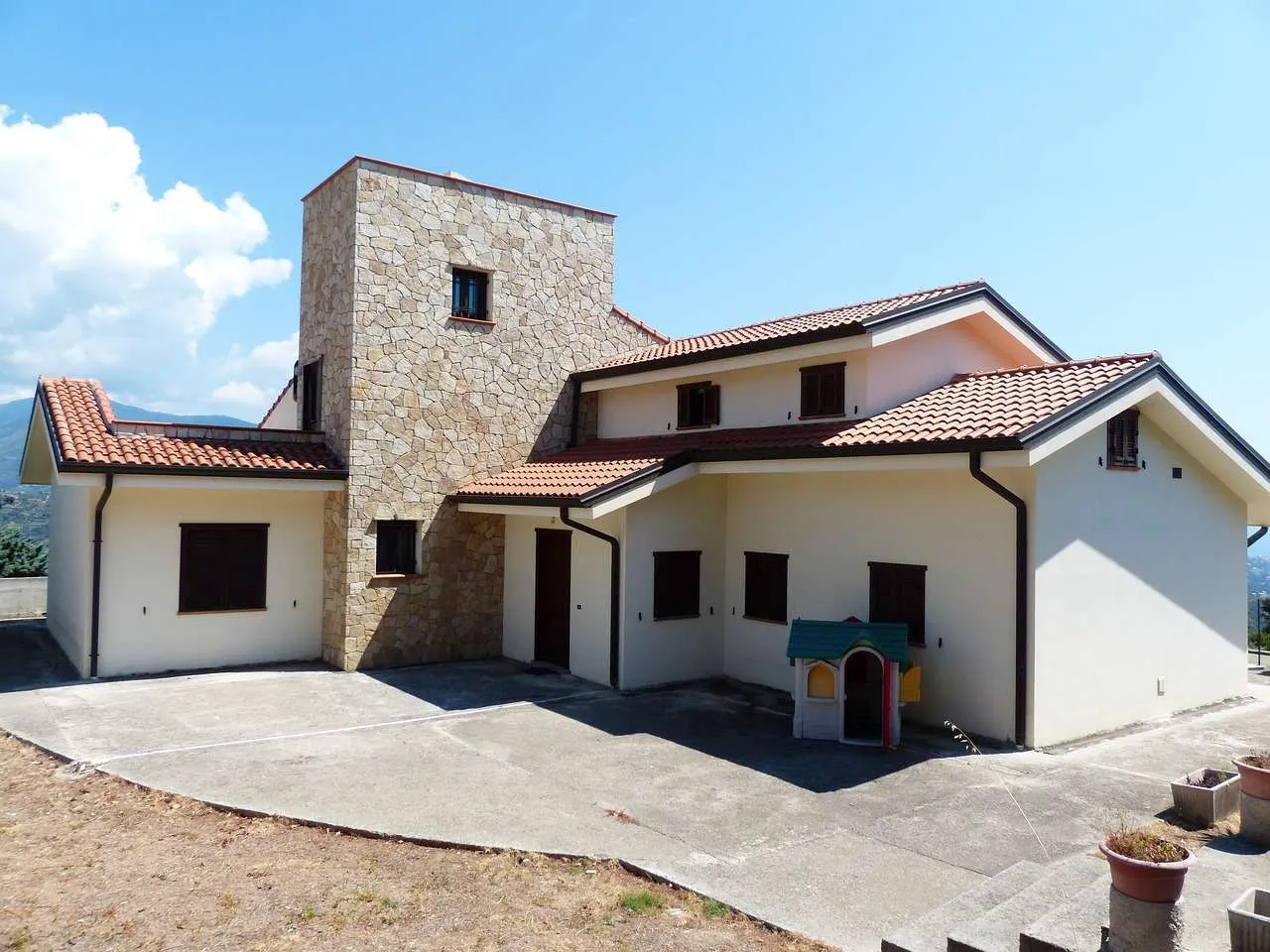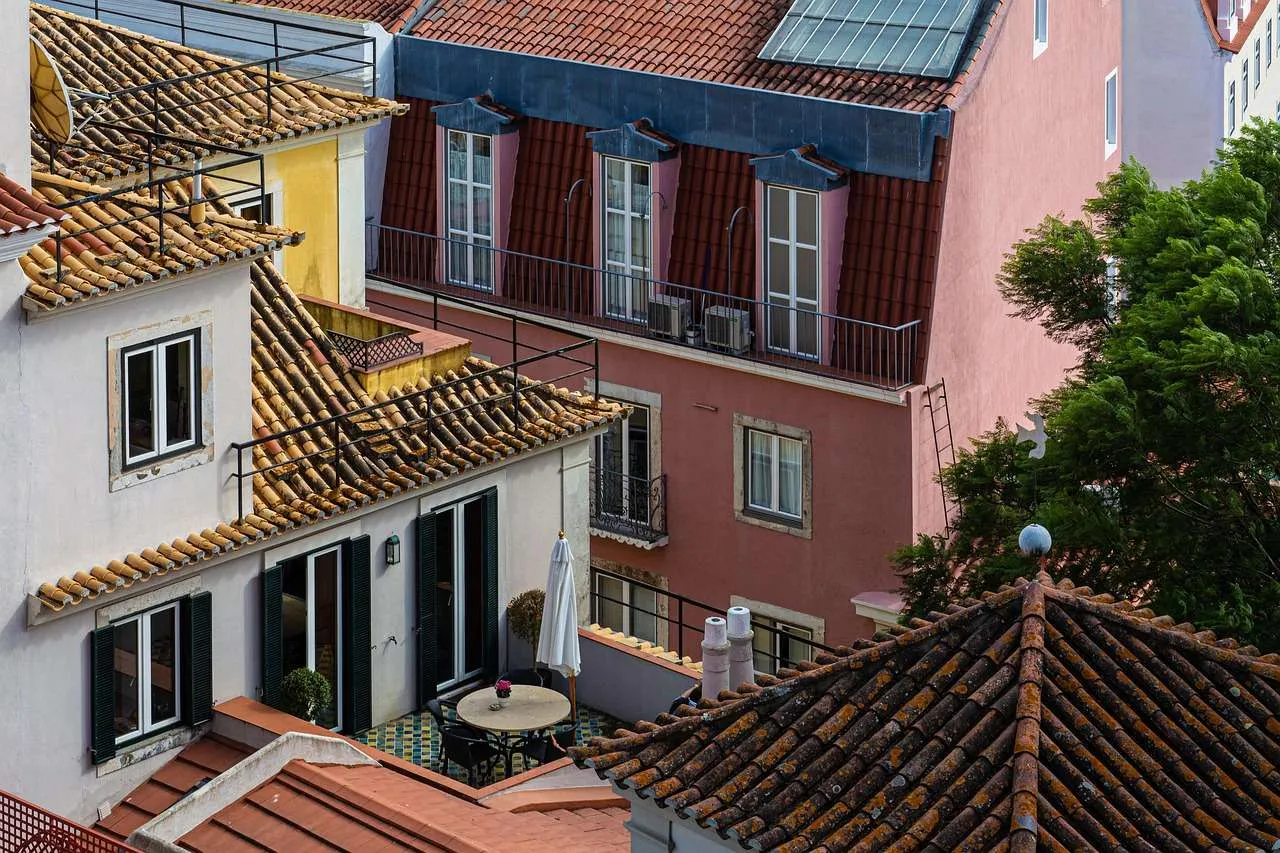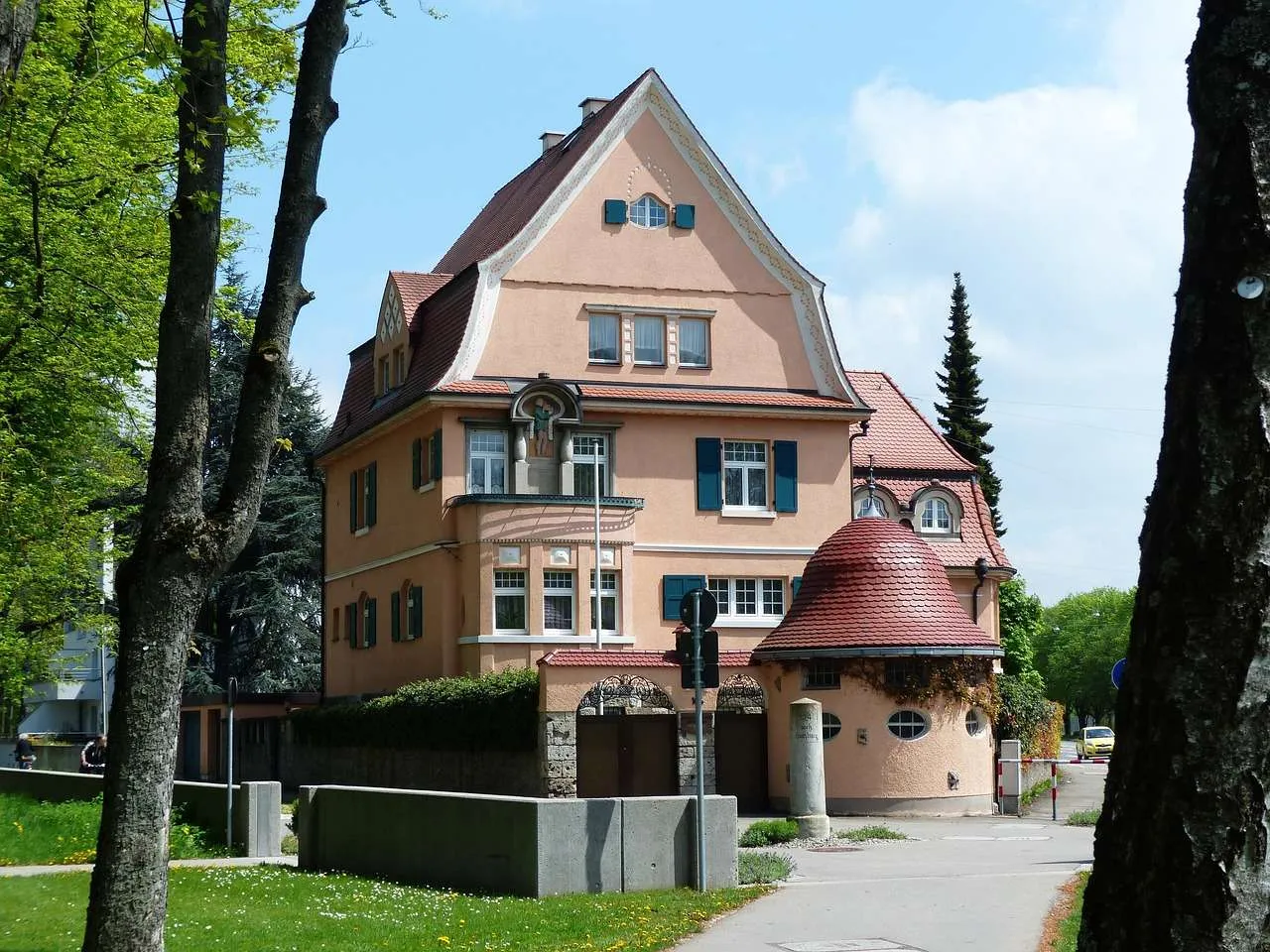
Repair of roofing is a pivotal maintenance task that safeguards your home from water damage, energy loss, and structural deterioration. With years of field experience, trained roofers emphasize timely assessment, quality materials, and adherence to safety standards. This guide addresses how to identify damage, select repair strategies, and work with licensed professionals to achieve durable, trustworthy results.
Understanding When Your Roof Needs Repair
Most roof problems creep up gradually. Look for signs such as water stains on ceilings, damp patches in attic spaces, curling or missing shingles, seen granules in gutters, or daylight through roof boards. A professional inspection can confirm whether repair is sufficient or if replacement is warranted. Early intervention reduces the risk of costly damage to insulation, ceilings, and personal belongings.
Common Causes of Roofing Problems
- Weather-related damage (wind, hail)
- Aging materials and wear
- Improper installation
- Damaged flashing around chimneys, vents, valleys
- Moisture intrusion due to improper ventilation
- Roof deck deterioration from leaks
Repair Options and Best Practices
Not all leaks require a full roof replacement. Depending on extent, cost, and roof type, several repair strategies exist. Working with a qualified contractor ensures compatibility with local codes, warranty coverage, and long-term performance.
Minor Repairs
Fix small leaks by sealing nail holes, replacing a few shingles, or applying roof patch. These quick fixes can buy time, especially on low-slope or flat roofs, but they are not permanent solutions if underlying issues exist.
Shingle Replacement
Replace damaged shingles with matched type and color. Ensure proper sealing and alignment to maintain wind resistance and reduce future leaks. This is often a mid-range repair that preserves curb appeal.
Flashing and Vents Repair
Flashing around chimneys, vents, skylights, and valleys directs water away from joints. Damaged or improperly sealed flashing is a leading cause of leaks. Replacement or resealing must be done with compatible materials and proper laps.
Waterproofing and Sealants
For temporary protection, sealants can stop minor leaks, but they do not address structural damage. Use only as a temporary measure and in coordination with a full repair plan.
Steps for a Professional Roof Repair
- Schedule a licensed inspection to assess moisture, extent of damage, and necessary materials.
- Establish safety protocols and secure access; use fall protection and proper equipment.
- Obtain materials that match the existing roof and meet warranty requirements.
- Plan a repair timeline, including weather contingencies and clean-up.
- Obtain a written estimate and a detailed warranty for labor and materials.
Choosing a Roofing Contractor
- Verify licensing, insurance, and workers' compensation coverage.
- Request a portfolio of completed repairs and contact references.
- Ask about warranties on labor and materials and what triggers coverage.
- Get written estimates and a clear scope of work, including cleanup and disposal.
- Check safety records and adherence to local building codes.
Maintenance to Extend Roof Life
- Schedule annual inspections, especially after severe weather.
- Clean gutters and remove debris to prevent water backing up at eaves.
- Keep trees trimmed to minimize branch damage and leaf accumulation.
- Ensure attic ventilation reduces condensation and ice dam risk.
Cost and Time Considerations
Costs for roof repairs vary by scope, materials, and region. The following table provides typical ranges to help you plan your budget.
| Repair Type | Typical Cost Range | When to Use | Pros | Cons |
|---|---|---|---|---|
| Minor patch or sealant | $50–$250 | Small leaks, isolated damage | Quick, affordable | Temporary if underlying issues persist |
| Shingle replacement | $300–$1,200 | Damaged or missing shingles, localized leaks | Durable and preserves appearance | Need color/match and may require lifting shingles |
| Flashing repair/replacement | $200–$600 | Leaks at chimneys, vents, valleys | Stops leaks at joints | Labor-intensive and location-dependent |
| Deck/structural repair | $1,000–$3,000+ | Damaged plywood or support structure | Restores integrity and life of roof | Highest cost and disruption |
Conclusion
Conclusion, repairing a roof requires timely action, professional assessment, proper methods, and ongoing maintenance to extend life and protect your property. By recognizing signs, choosing the right repair option, and partnering with a licensed contractor, homeowners can achieve durable, safe results and avoid costly future damage.