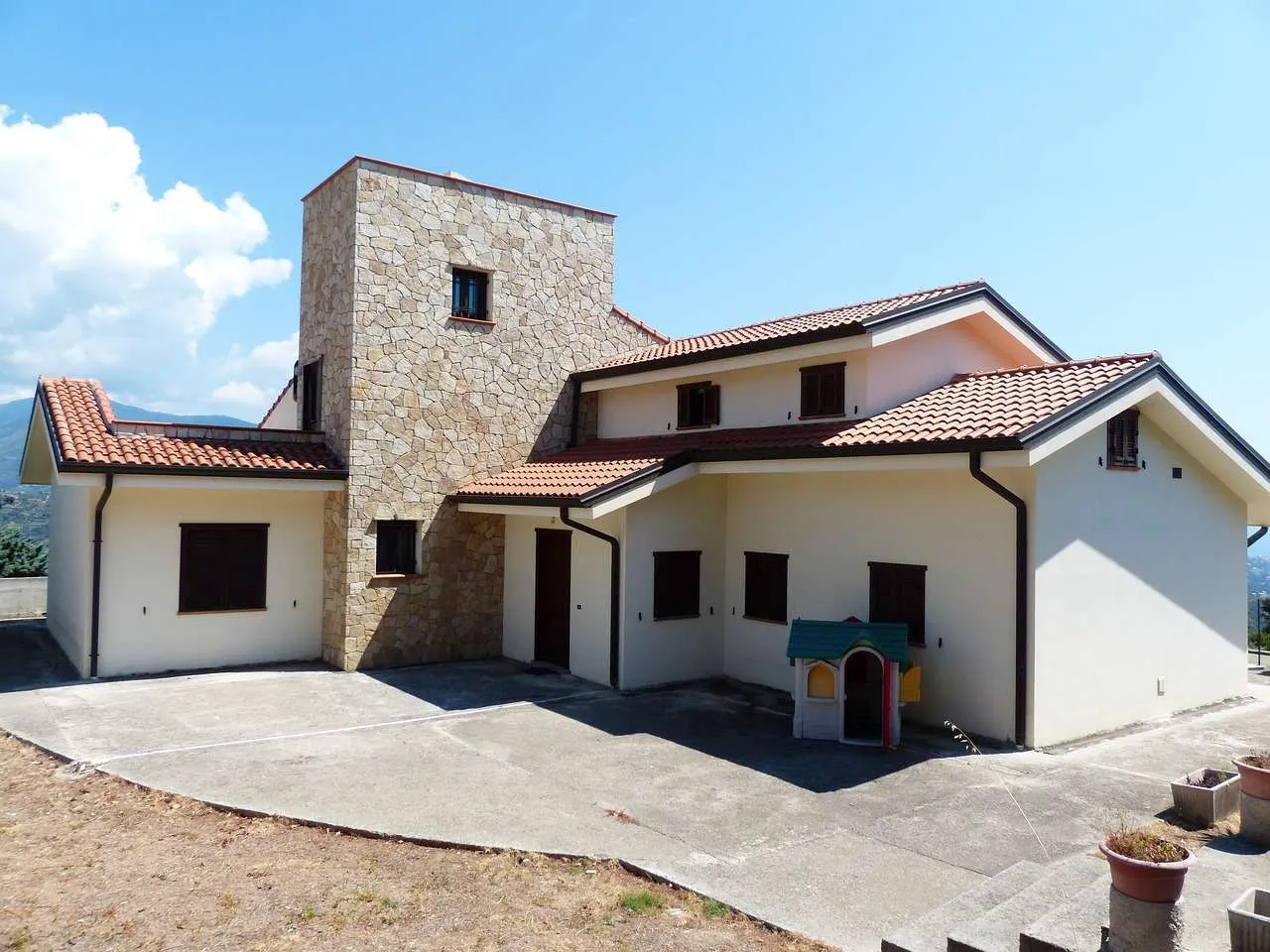
Roofing protects your home from weather, energy loss, and structural issues. When problems arise, addressing them through timely roofing and roof repairs saves money and preserves value. This guide blends practical steps with industry insights to help homeowners assess, plan, and act with confidence.
From choosing materials to spotting warning signs, and from DIY basics to working with licensed contractors, the goal is safe, durable results that meet current codes and warranty requirements. With an emphasis on EEAT, the article draws on experience, expertise, and trusted practices used by professional roofers.
Understanding Roofing and Roof Repairs
Roofing and roof repairs encompass preventive maintenance, scheduled inspections, and fixes for leaks, damaged shingles, flashing, or ventilation problems. Regular care improves energy efficiency, reduces interior moisture risks, and protects the home against water intrusion. A well-managed roof is a long-term investment in comfort and value.
Common Roof Materials
- Asphalt shingles: affordable and versatile; good performance with proper installation.
- Metal roofing: durable, lightweight, and quick to install; excellent for weather resistance.
- Clay or concrete tiles: long-lasting but heavy; require a sturdy underlying structure.
- Slate: premium durability and beauty; higher upfront cost and specialized installation.
- Wood shake: attractive but susceptible to weathering; requires regular maintenance.
Signs Your Roof Needs Repair
Look for missing or curling shingles after storms, granule loss in gutters, sagging sections, and water stains on ceilings or attic dampness. Attic condensation, ice dams in winter, or excessive moss indicate ventilation or flashing problems. If you notice any of these signs, schedule an inspection promptly to prevent costly damage.
DIY vs Professional Roof Repairs
Working at height presents serious safety risks. Minor issues, such as reseating a loose shingle or clearing debris, may be doable for handy homeowners, but structural problems, extensive leaks, or roof replacement require licensed professionals. A qualified roofer brings safety gear, permits when needed, proper flashing installation, and warranties that protect your investment.
Choosing a Roofing Contractor
To find a reputable pro, verify license and insurance, review past projects, and request written estimates. Ask about warranties on workmanship and materials, and check references or online reviews. Ensure the contractor follows local codes, provides cleanup and disposal plans, and offers a clear timeline and payment schedule. A quality contractor will explain options for materials, energy efficiency, and long-term maintenance.
Cost Considerations and Insurance
Costs vary with material, roof size, pitch, accessibility, and local labor rates. Small leak repairs may range from a few hundred to a couple thousand dollars, while full roof replacements can run into the tens of thousands depending on material and complexity. Homeowners insurance may cover storm or hail damage after an adjuster assessment; keep records and obtain multiple quotes for comparison. Consider maintenance plans that reduce long-term costs and extend roof life.
Maintenance Tips to Extend Roof Life
Schedule regular inspections, especially after severe weather. Keep gutters clear, trim overhanging branches, ensure attic insulation and ventilation, and fix flashing early to prevent leaks. Remove moss or algae growth and consider upgrades such as weatherproof underlayment during repairs. A proactive maintenance routine reduces emergency repairs and helps the roof reach its expected lifespan.
Table: Roof Repair vs Replacement: When to Choose
| Situation | Repair Pros | Replacement Pros | Typical Cost Range |
|---|---|---|---|
| Small leak or damaged shingle | Low cost, quick fix | Not necessary | 100-1200 |
| Widespread shingle failure | Temporary | Long-term protection | 1000-9000 |
| Age over 20-30 years | Evaluate but replacement often wiser | Improved energy efficiency | 6000-30000 |
| Structural damage or sagging | Not recommended | Required | varies |
Costs are estimates and depend on location, roof pitch, and chosen materials. A licensed roofer can provide an accurate estimate after a thorough inspection.
Summary
Summary: Effective roofing and roof repairs require timely inspection, qualified professionals, and a proactive maintenance plan. By understanding options, you can protect your home, manage costs, and ensure durable results that last.